Top 10 Linux Distros: Finding Your Perfect Flavor of Open-Source
Linux, the versatile and open-source operating system, has become a cornerstone of modern computing due to its stability, security, customization possibilities, and cost-free nature. With hundreds of distributions (or "distros") available, each tailored to different needs and preferences, choosing the right one can feel like navigating a vast and delicious buffet. To help you make an informed decision, we’ve compiled a detailed list of the top 10 Linux distros, highlighting their unique features, strengths, and ideal use cases. Let’s dive in!
1. Ubuntu: The User-Friendly Giant
Ubuntu is arguably the most well-known and widely used Linux distribution. Based on Debian, it’s designed with ease of use, stability, and accessibility in mind, making it perfect for both newcomers and seasoned users. Key features include:
- Regular Updates: Ubuntu offers frequent updates, including Long-Term Support (LTS) versions that provide five years of security and maintenance updates.
- Vast Software Repository: Access to thousands of free applications via the Ubuntu Software Center.
- Community and Support: A massive global community and extensive documentation make troubleshooting and learning a breeze.
Ideal for: Beginners, general users, and developers seeking a reliable and user-friendly OS.
2. Linux Mint: A Polished and Familiar Alternative
Linux Mint is often regarded as a more refined and user-friendly version of Ubuntu. It’s particularly popular among users transitioning from Windows due to its familiar interface and out-of-the-box functionality. Highlights include:
- Multiple Desktop Environments: Choose from Cinnamon (modern and sleek), MATE (traditional and lightweight), or Xfce (highly customizable and resource-efficient).
- Pre-Installed Codecs: Comes with multimedia codecs pre-installed, ensuring seamless playback of audio and video files.
- Stability and Simplicity: Focuses on providing a stable and intuitive experience for everyday use.
Ideal for: Windows switchers, casual users, and those seeking a polished and hassle-free experience.
3. Pop!_OS: For Developers and Power Users
Developed by System76, Pop!_OS is designed for tech-savvy users, developers, and gamers. It combines a sleek interface with powerful features, including:
- Custom GNOME Desktop: A streamlined and productivity-focused desktop environment with a unique tiling window manager.
- Hardware Optimization: Excellent support for both NVIDIA and AMD GPUs, making it a great choice for gaming and machine learning.
- Developer-Friendly Tools: Pre-installed development tools and seamless integration with programming workflows.
Ideal for: Developers, gamers, and power users seeking a modern and efficient OS.
4. Manjaro Linux: Arch Made Easy
Manjaro brings the power and flexibility of Arch Linux to a broader audience by simplifying the installation and setup process. Key features include:
- User-Friendly Installation: A graphical installer and pre-configured desktop environments (e.g., Xfce, KDE, GNOME) make it accessible to beginners.
- Access to AUR: The Arch User Repository (AUR) provides access to a vast library of software.
- Rolling Release Model: Regular updates ensure you always have the latest software without needing to reinstall the OS.
Ideal for: Users who want cutting-edge software with minimal setup hassle.
5. Fedora: Innovation's Bleeding Edge
Fedora, backed by Red Hat, is known for its focus on innovation and cutting-edge technologies. It’s a favorite among developers and tech enthusiasts. Highlights include:
- Latest Software: Fedora often includes the newest versions of software and technologies, making it a testbed for future Linux features.
- GNOME Desktop: A clean and modern desktop environment optimized for productivity.
- Strong Security: Built-in security features like SELinux ensure a secure computing environment.
Ideal for: Developers, tech enthusiasts, and those who want the latest innovations.
6. Debian: The Stable and Rock-Solid Foundation
Debian is one of the oldest and most respected Linux distributions, known for its stability and reliability. It serves as the foundation for many other distros, including Ubuntu. Key features include:
- Unwavering Stability: Prioritizes stability over cutting-edge features, making it ideal for servers and critical systems.
- Vast Software Library: Access to over 59,000 software packages via its repositories.
- Community-Driven: Maintained by a dedicated community of developers and users.
Ideal for: Servers, advanced users, and those who value stability over the latest features.
7. elementary OS: Simplicity with a Touch of Elegance
elementary OS is renowned for its stunning, macOS-inspired design and focus on simplicity. It’s perfect for users who value aesthetics and ease of use. Highlights include:
- Pantheon Desktop: A beautiful and intuitive desktop environment designed for simplicity and efficiency.
- Curated App Store: Features a selection of high-quality, open-source applications.
- Privacy-Focused: Built with user privacy and security in mind.
Ideal for: Casual users, designers, and those who appreciate a polished and elegant OS.
8. MX Linux: Lightweight and Resourceful
MX Linux is a lightweight distro based on Debian, designed to run efficiently on older hardware. It’s known for its performance and customization options. Key features include:
- Xfce Desktop: A lightweight and highly customizable desktop environment.
- MX Tools: A suite of user-friendly tools for system management and customization.
- Community-Driven: Developed and maintained by an active and supportive community.
Ideal for: Older hardware, lightweight enthusiasts, and users seeking a responsive and customizable OS.
9. Zorin OS: Designed for Windows Switchers
Zorin OS is specifically designed to ease the transition from Windows to Linux. Its familiar interface and software selection make it an excellent choice for newcomers. Highlights include:
- Windows-Like Interface: A customizable desktop environment that mimics the look and feel of Windows.
- Pre-Installed Software: Comes with essential applications for productivity, entertainment, and more.
- Ease of Use: Focuses on providing a seamless and intuitive experience for new users.
Ideal for: Windows switchers, beginners, and those seeking a familiar and elegant OS.
10. Kali Linux: For the Security-Conscious
Kali Linux is the go-to distro for cybersecurity professionals and ethical hackers. It comes pre-loaded with a comprehensive suite of security tools. Key features include:
- Security Tools: Includes over 600 tools for penetration testing, forensics, and network analysis.
- Custom Kernel: Optimized for security and performance in testing environments.
- Regular Updates: Frequent updates ensure access to the latest security tools and features.
Ideal for: Security professionals, ethical hackers, and cybersecurity enthusiasts.
Need Even More Choice? Explore Linux DVD Bundles
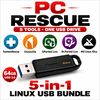
If you’d like to try out several distros before settling on your favorite, consider purchasing a Linux DVD bundle from The Linux Shop. These bundles provide a physical collection of popular distros, allowing for convenient installation and exploration.
Let the Linux Journey Begin!
The open-source world of Linux is full of possibilities. Whether you’re a beginner, a developer, or a security professional, there’s a Linux distro tailored to your needs. Take the plunge, explore these top 10 distros, and discover the perfect flavor of open-source for you!
Happy exploring, and welcome to the world of Linux!